
Views: 0 Author: Site Editor Publish Time: 2026-03-10 Origin: Site
When it comes to investing in industrial machinery, durability is one of the most important factors to consider. The CNC press brake is an essential tool in many industries, especially in metalworking, where precision and reliability are key. Understanding how long a CNC press brake will last can help manufacturers plan their investments, maintenance schedules, and overall equipment management. This article will explore the factors that determine the lifespan of a CNC press brake, provide real-world lifespan benchmarks, and discuss how to maximize the life of your machine.
A CNC press brake is a machine used to bend metal sheets with high precision, controlled by a Computer Numerical Control (CNC) system. It’s essential in industries that require metal shaping, such as automotive, HVAC, and construction. The CNC press brake allows for accurate bending angles, making it more efficient and reliable than manual alternatives.
What makes a CNC press brake particularly valuable is its automation. Unlike manual presses, where operators must physically adjust settings and positions, a CNC press brake uses computer-controlled systems to automate this process. This increases precision and reduces human error, ensuring consistent results for each metal sheet processed.
In comparison to manual press brakes, CNC press brakes offer several advantages, including:
· Higher precision: Automated controls reduce the likelihood of mistakes.
· Increased efficiency: Faster setups and reduced human labor.
· Flexibility: Capable of handling more complex bending tasks with ease.
These benefits, along with its automation and precision, make the CNC press brake an ideal investment for businesses that require high throughput and accuracy.
The lifespan of a CNC press brake is influenced by several factors, each playing a crucial role in determining how long the machine will last before needing significant repairs or replacement.
The mechanical build quality of a CNC press brake is one of the most significant factors determining its longevity. A machine with a sturdy and rigid frame will last longer, as it can better handle the stresses of bending and forming metal. The materials used for constructing the press brake frame and other key components, such as the ram and tooling, also influence the machine's lifespan. High-quality components are less prone to wear and can withstand prolonged use.
Additionally, components like the backgauge rails and other moving parts are subject to wear over time. A well-built press brake minimizes this wear, contributing to a longer lifespan.
The intensity with which a CNC press brake is used plays a significant role in its lifespan. Machines that are used for heavy-duty operations, such as 24/7 production environments, will naturally experience more wear and tear. In contrast, press brakes used for lighter, less frequent production runs can last longer.
Factors that affect usage intensity include:
· Production shifts per day: Press brakes running for multiple shifts daily will wear out faster than those used only for one shift.
· Load/tonnage within rated limits: Overloading a press brake with heavier metal sheets than recommended can accelerate the wear on components and reduce the machine's life.
Operating the CNC press brake within its rated limits is essential to ensure its longevity. Overworking the machine can lead to faster degradation of key parts, especially the hydraulic and electronic systems.
Regular maintenance is critical for extending the life of any industrial machinery, and CNC press brakes are no exception. Proper maintenance includes tasks such as:
· Scheduled lubrication and inspection: Ensuring that the moving parts are properly lubricated can prevent premature wear and tear.
· Wear part replacement: Parts such as seals, hydraulic components, and punches may need replacing after extended use. Timely replacement of these components ensures the press brake continues to perform optimally.
Neglecting maintenance can lead to machine malfunctions, higher repair costs, and reduced operational efficiency. On the other hand, machines that are regularly serviced and maintained will last longer and require fewer costly repairs.
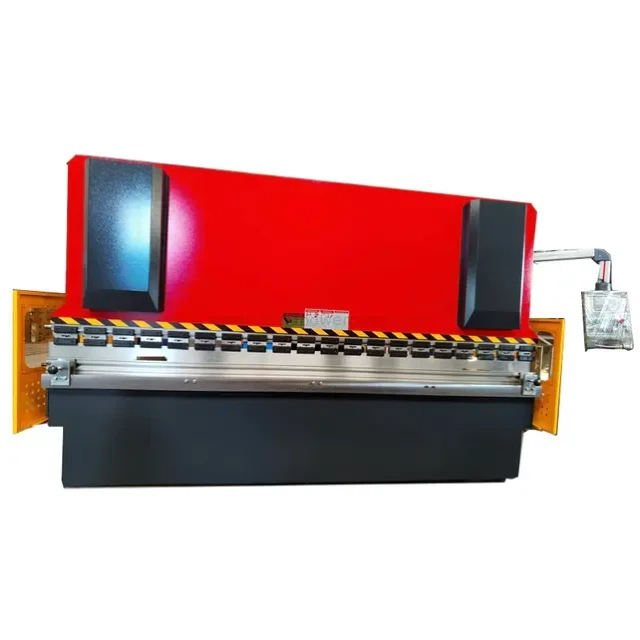
The lifespan of a CNC press brake can vary depending on its usage level and maintenance practices. Below are typical lifespan benchmarks for CNC press brakes:
Usage Level vs. Estimated Lifespan Table:
Usage Level | Estimated Lifespan |
Light (prototype, small shop) | 8–12 years |
Medium (daily production) | 10–15 years |
Heavy (industrial 24/7) | 12–20+ years |
1. Light Usage: If a CNC press brake is used in a smaller shop or for prototype production, it may last between 8 and 12 years. These machines are often used less frequently and for less demanding tasks, resulting in a longer lifespan.
2. Medium Usage: In a daily production environment, a CNC press brake can last between 10 and 15 years. This is common for shops that have a steady, but not overly intense, production schedule.
3. Heavy Usage: For industrial environments running 24/7, such as those in mass production industries like automotive manufacturing, a CNC press brake may last 12 to 20 years or longer, provided that it is well-maintained and not overloaded.
These benchmarks are based on average usage patterns, and actual lifespans can vary depending on factors like the quality of the machine, maintenance practices, and operating conditions.
Certain parts of a CNC press brake are subject to wear and tear, and regular inspection and replacement of these components are essential for maintaining the machine's performance. Common wear parts include:
· Seals and hydraulic components: These are integral to the machine's operation. Seals ensure that hydraulic fluids remain in place, while hydraulic components help control the press brake's movement. Over time, seals can degrade, leading to oil leaks and reduced performance.
· Backgauge rails: The backgauge system is responsible for positioning the metal accurately before bending. As the press brake is used, the rails may experience wear, which can lead to misalignment and inaccurate bending.
· Control electronics: Over time, the electronics controlling the press brake may become outdated or damaged. Regular updates and maintenance of the control systems can prevent unexpected failures and downtime.
Replacing these components as needed ensures that the CNC press brake continues to operate smoothly and with precision.
To maximize the lifespan of a CNC press brake, proper operation practices and preventive maintenance are key. Here are several strategies to extend the life of your machine:
· Proper Operation Practices: Always operate the machine within its rated limits. Avoid overloading the press brake with excessive tonnage or running it for longer than necessary.
· Preventive Maintenance Schedules: Implement a regular maintenance schedule to ensure all parts are properly lubricated, aligned, and free from wear. Routine inspections help identify potential issues before they become major problems.
· Environmental Factors: Keep the CNC press brake in a controlled environment. Dust, humidity, and extreme temperatures can negatively affect the machine’s performance. Protecting the machine from these environmental factors will reduce wear and tear.
Regular maintenance and attention to operating conditions are essential for extending the lifespan of your CNC press brake and maximizing its efficiency.
The durability of CNC press brakes is evident in their widespread use across various industries. For example, in the automotive industry, press brakes are used to create precise parts for vehicles, such as chassis components and body panels. These machines are designed for high-volume production, where durability and precision are critical.
In HVAC (heating, ventilation, and air conditioning) manufacturing, press brakes are used to bend metal ducts and other components. The ability of the CNC press brake to handle high-volume bending with precision makes it ideal for this sector.
In metal furniture manufacturing, press brakes are used to shape metal parts that require both strength and aesthetic precision. Again, the durability of CNC press brakes allows manufacturers to produce large quantities of high-quality parts over an extended period.
By investing in durable CNC press brakes from World Precise Machinery, companies can significantly reduce lifetime costs and improve their production capabilities.
At World Precise Machinery, we offer a range of CNC press brakes designed for efficiency, precision, and durability. Our products include:
· Hydraulic CNC Press Brake Models: Our hydraulic models are known for their reliability and precision, providing exceptional bending force for various metalworking applications.
· General Press Brake Offerings: We offer a wide selection of press brakes that cater to different production needs, ensuring that you get the best machine for your specific requirements.
With our extensive range of CNC press brakes, World Precise Machinery ensures that you have the right tool for your manufacturing needs.
The lifespan of a CNC press brake depends on several key factors, including its build quality, usage intensity, and maintenance practices. By choosing a high-quality machine and following a regular maintenance schedule, manufacturers can ensure that their press brakes last for many years, providing a strong return on investment. At World Precise Machinery, we offer high-performance CNC press brakes that are designed to deliver exceptional durability and precision, making them an ideal choice for any industrial application. For more information about our CNC press brakes, please feel free to contact us.
Q1: How long does a CNC press brake typically last?
A CNC press brake can last anywhere from 8 to 20 years, depending on its usage and maintenance.
Q2: What factors affect the lifespan of a CNC press brake?
The lifespan is influenced by machine build quality, usage intensity, and maintenance practices.
Q3: How can I extend the life of my CNC press brake?
Regular maintenance, proper operation, and protecting the machine from environmental factors are key to extending its lifespan.
Q4: What are common wear parts in a CNC press brake?
Common wear parts include seals, hydraulic components, backgauge rails, and control electronics.


 0086 21 62828320
 0086 13817120700