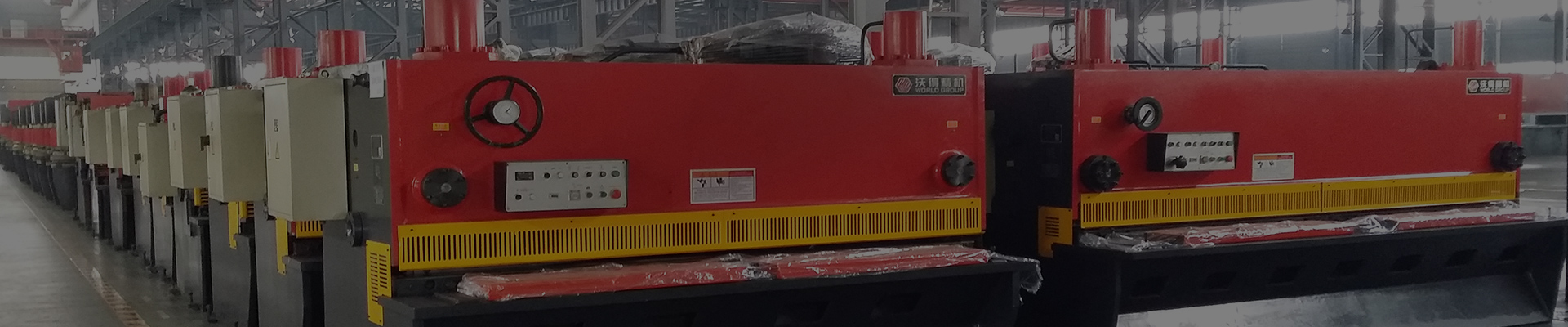
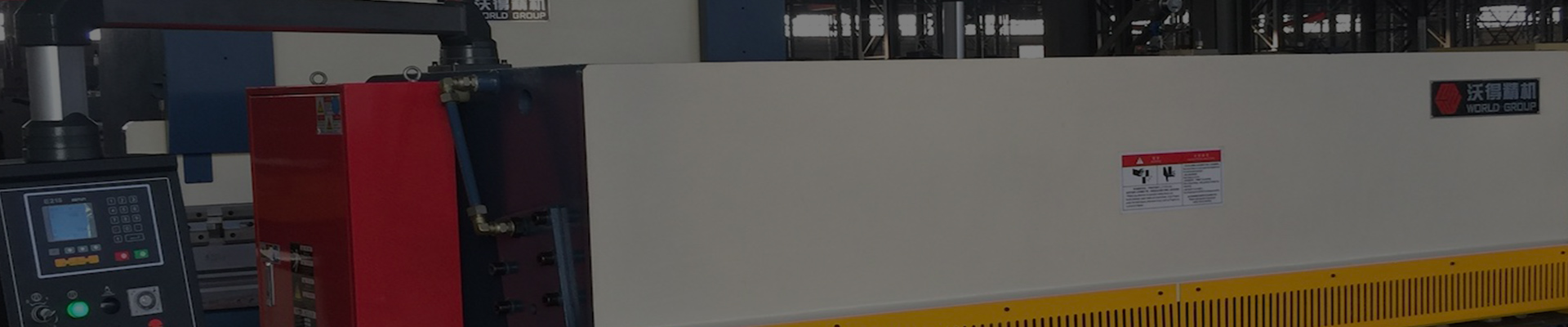
The working principle of hydraulic shearing machine
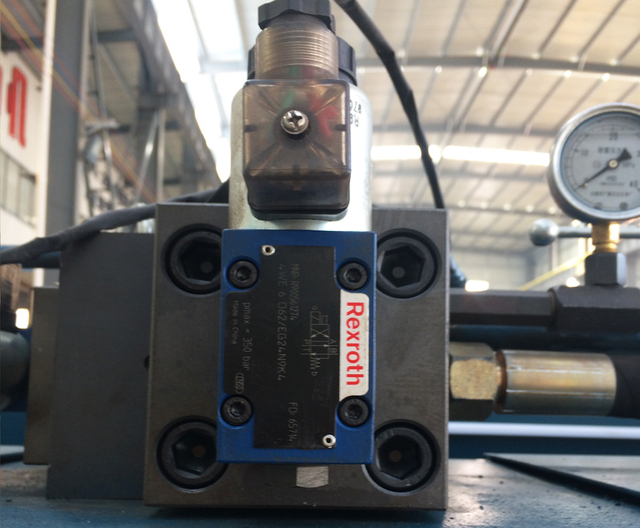
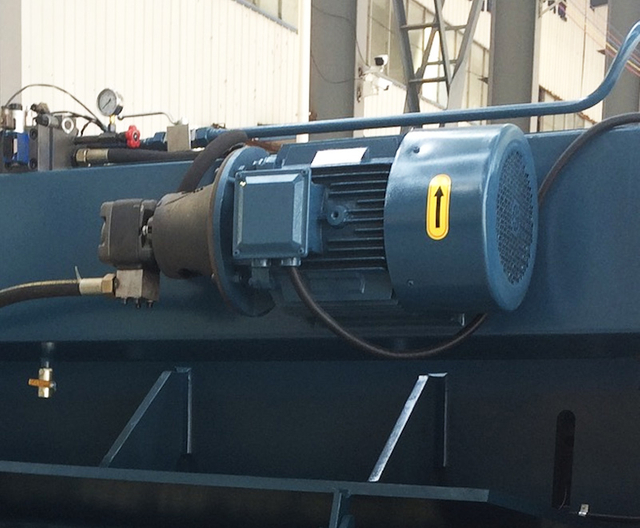
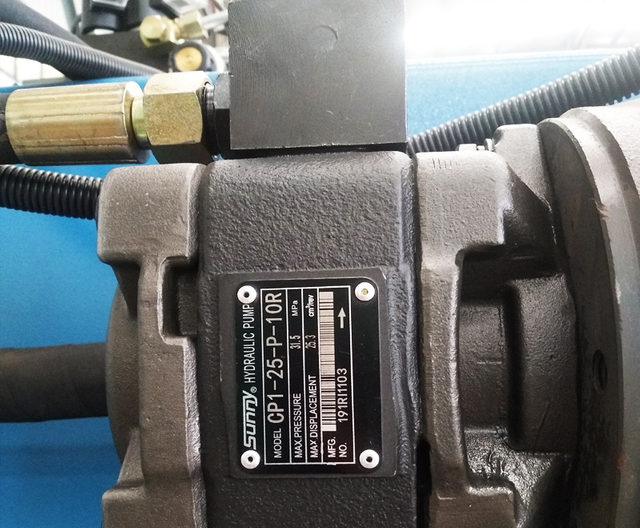
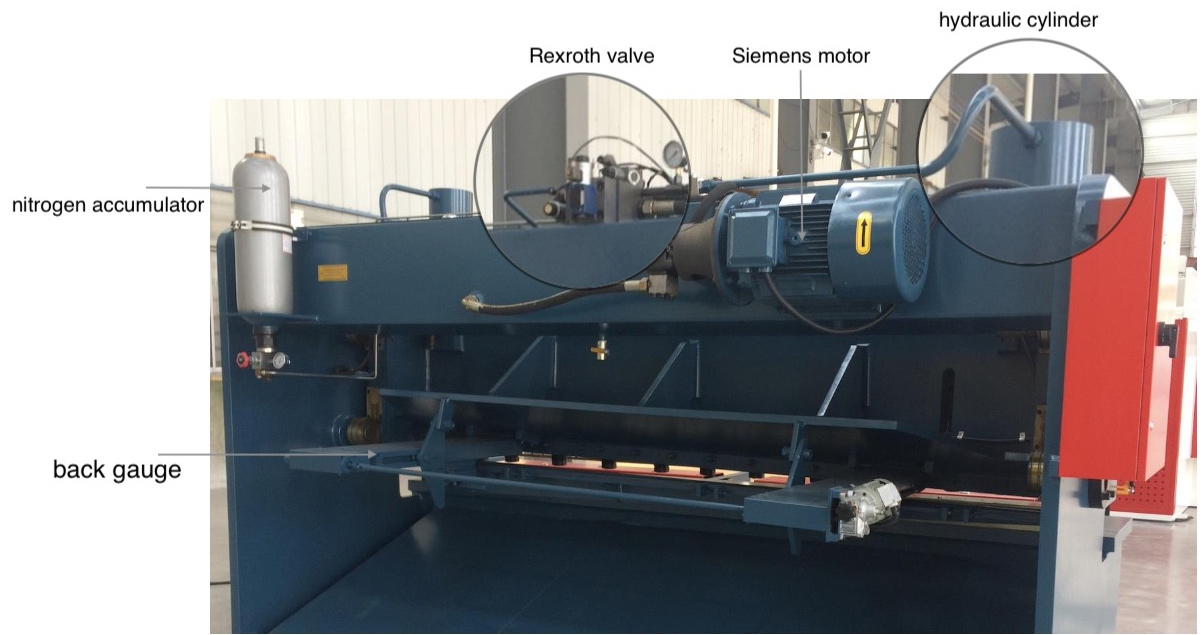
When oil enters the upper cavity of the left cylinder, the piston descends, while simultaneously, oil from the lower cavity of the left cylinder flows into the upper cavity of the right cylinder, causing its piston to descend. This synchronized movement ensures the parallel displacement of the blade carrier, with variations in oil volume within the tandem oil circuit dynamically adjusting the shear angle of the cutting blade for precise control. To enhance efficiency, this design typically incorporates a nitrogen accumulator to actuate one or two return cylinders, significantly reducing inter-travel time and boosting productivity.
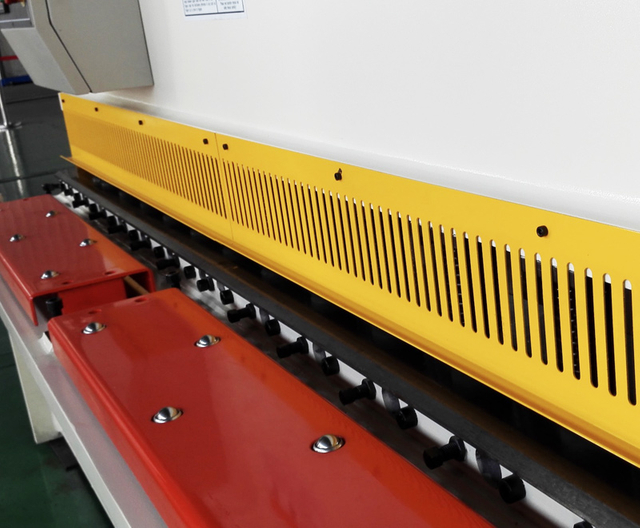
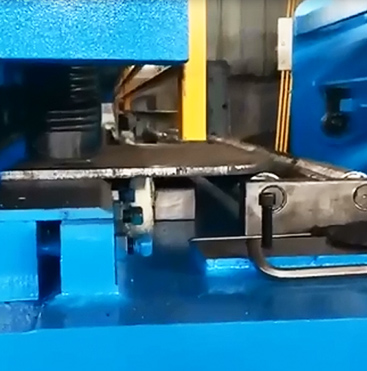
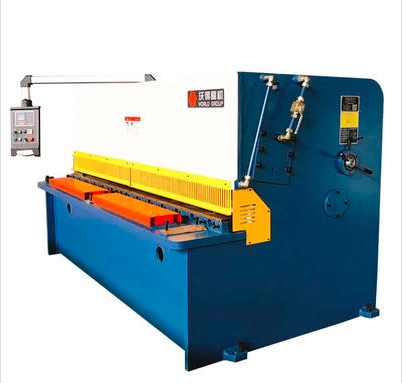
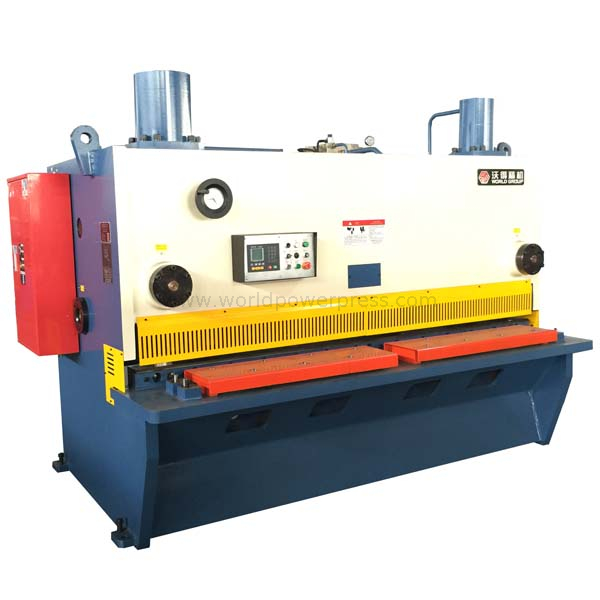
Shearing machines must maintain strict straightness and parallelism of the shearing surface to minimize sheet distortion, ensuring high-quality workpiece output. The upper blade is securely mounted on the knife holder, while the lower blade is fixed to the workbench, with a ball transfer table integrated into the workbench to prevent surface scratching during material handling. The back gauge, motor-driven for precise adjustments, facilitates accurate positioning, and sheet holding cylinders apply uniform pressure to immobilize the material during shearing. A guard fence serves as a critical safety barrier, and the cutting blade return stroke, powered by nitrogen, offers rapid response with minimal impact, ensuring smooth and efficient operation.
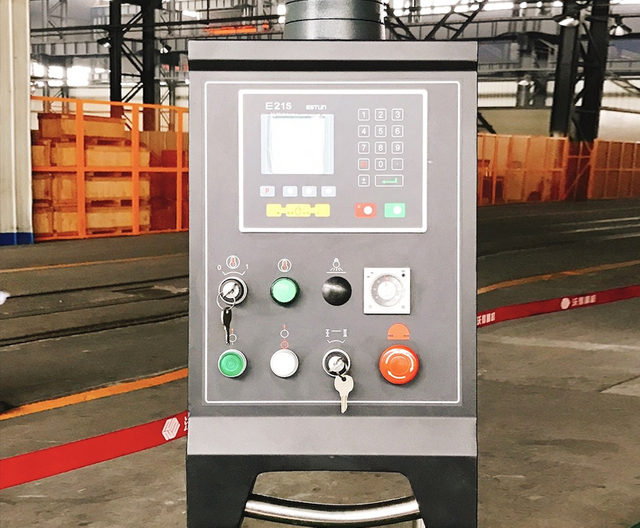
Before operating the shearing machine, ensure you wear snug-fitting protective clothing with all cuffs securely fastened and jacket hems closed; avoid wearing, removing, or adjusting clothing near the machine to prevent entanglement. Always wear an ANSI-approved safety helmet with all hair fully contained, and refrain from operating the machine while wearing skirts, open-toed footwear (e.g., slippers), or dangling accessories like scarves.
The operator must possess comprehensive knowledge of the equipment's structural design, operational parameters, and precise execution procedures, while strictly adhering to the prescribed performance specifications; any operation exceeding the designated performance limits is absolutely prohibited.
Prior to initiating operation, verify the oil level in the oil cup and replenish grease in strict accordance with the equipment's lubrication guidelines.
Prior to commencing work, the upper and lower blades must be properly aligned and secured. The blade gap should be meticulously calibrated based on the thickness of the steel plate to be sheared, typically maintaining a range of 5% to 7% of the plate's thickness. Following each adjustment of the gap, manually rotate the flywheel to ensure the upper and lower blades complete a full reciprocating cycle. Subsequently, verify the accuracy of the gap using a feeler gauge to confirm its suitability.
Prior to operation, the back gauge must be accurately set and adjusted in strict accordance with the specifications of the cut workpiece. A mandatory pre-operational test run of 2-3 cycles without load should be conducted to verify adequate lubrication and confirm the absence of any operational abnormalities before commencing actual work.
The use of percussion methods to adjust the back gauge or blade gap is strictly prohibited. Additionally, when adjusting the clearance between the guide rail and the blade edge, the machine must be brought to a complete stop before any adjustments
During operation, it is strictly prohibited to reach into the cutting zone or manually handle materials. All material handling must be performed using appropriate tools or mechanical aids to ensure operator safety.
To prevent foreign objects from entering the cutting zone and causing blade damage, ensure the workbench remains clear of all unrelated items during operation.
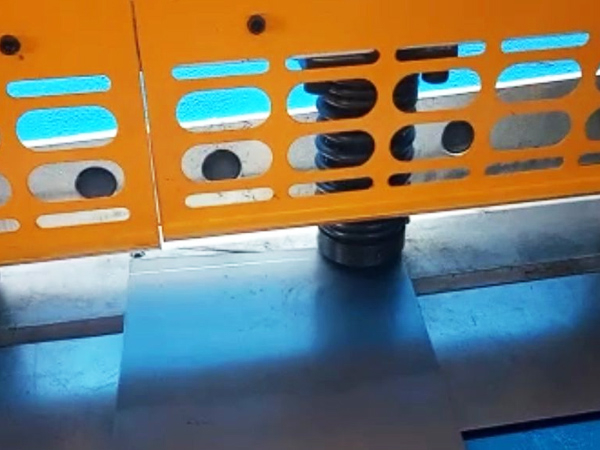
When cutting sheets of varying thicknesses or materials, the plate spring pressure and blade gap must be appropriately adjusted to prevent spring failure or cutting edge damage. Cutting bars is strictly prohibited.
During operation, maintain continuous vigilance for any abnormal malfunctioning of the clamping mechanism, clutch, or brake system. While cutting, ensure full concentration on the task. In the event of detecting any equipment abnormalities, immediately cease cutting operations, disconnect the power supply, and promptly notify designated maintenance personnel for intervention.
The blade's cutting edge must be maintained in a sharp condition. Any signs of damage, wear, or dullness necessitate immediate sharpening or replacement to ensure optimal cutting performance and safety.
Upon completion of work, the power supply must be disconnected, and routine equipment maintenance should be performed.
More experienced in design and manufacturing of shearing machines
Advanced machining equipment ensure the processing quality
Fast delivery
Fast response for service and warranty
What is a hydraulic shearing machine?Hydraulic shearing machine is a kind of sheet metal cutting machine. It can cut sheet metal to pieces as needed width. The power is from two strong hydraulic cylinders. Hydraulic oil is pumped by pump system to achieve high pressure. Hydraulic cylinders drive th
World hydraulic shearing machine operation instructionStep 1:Loosen the bolts on the top fuel tank, open the lid of the fuel tank, and fill it with 46# hydraulic oil. Fix the tank lid after full filling the hydraulic oil. Step 2:Connect the electric power input three-phase wires to the electric cabi
How to fill nitrogen and oil for QC11Y guillotine shearing machine accumulator QC11Y guillotine type hydraulic shearing machine has two hydraulic cylinders and an accumulator. The hydraulic cylinders drive the blade carrier down. The accumulator helps to drive the blade carrier back to top dead poin







 0086 21 62828320
 0086 13817120700