
Views: 0 Author: Site Editor Publish Time: 2026-04-21 Origin: Site
Unexpected drive belt failure immediately grinds high-volume production lines to a sudden halt. When a straight side stamping press experiences a compromised or snapping drive belt, the consequences extend far beyond mere annoyance. You face unplanned downtime and highly inconsistent power transmission. These sudden failures also put critical drivetrain components at extreme risk of severe mechanical damage. Addressing these issues safely keeps manufacturing operations competitive and reliable.
This guide outlines a standardized, compliance-focused procedure for replacing V-belts or drive belts on industrial machinery. We strongly emphasize strict safety protocols, proper tensioning techniques, and long-term preventive maintenance strategies. Exact pulley configurations and belt counts vary based on tonnage capacities and specific manufacturer designs. However, the foundational mechanics of electrical isolation, tension release, and precise alignment remain consistent across heavy-duty equipment. Read on to master these essential maintenance steps for optimal machine performance.
Safety First: Lockout/Tagout (LOTO) procedures are non-negotiable prior to removing any safety guards or accessing the motor drive area.
Precision Matters: Utilizing a dedicated belt tension gauge prevents the two most common errors: over-tensioning (bearing damage) and under-tensioning (belt slip and efficiency loss).
Holistic Inspection: Changing a belt is the optimal time to inspect pulleys (sheaves) for uneven wear, which often indicates underlying alignment issues.
Verification Before Power: A manual rotation (turnover) of the system is required to ensure proper seating and alignment before restoring electrical power.
Operators must routinely evaluate visible degradation on drive belts. You should look for specific physical signs dictating immediate replacement. Sidewall glazing appears as a hardened, shiny surface on the belt rubber. This occurs when excessive heat builds up from slipping. Edge fraying indicates continuous rubbing against misaligned safety guards or damaged pulleys. Deep cracking along the inner cogs demonstrates advanced age and severe thermal breakdown. Missing chunks in V-belts compromise structural integrity entirely. You must discard them immediately.
Next, assess the operational symptoms. Operators often detect failing belts through distinct auditory cues. You might hear loud squealing when the machine operates under heavy stamping loads. Performance drops also provide strong diagnostic clues. You might notice inconsistent ram speed during the downward motion. A noticeable power loss during the actual stamping stroke strongly signals severe belt slippage.
We must differentiate normal wear from systemic faults. Standard wear happens gradually over thousands of operational hours. Rapid, premature belt failure points to deeper mechanical issues. Pulley misalignment tears belts apart quickly. Incorrect initial tensioning causes either snapping or rapid glazing. Environmental contamination plays a massive role too. Oil or grease leaking onto the belts degrades the rubber compounds rapidly.
Visible Symptom | Probable Root Cause | Recommended Action |
|---|---|---|
Sidewall Glazing (Shiny/Hard) | Under-tensioning leading to heat buildup | Replace belt; recalibrate tension. |
Edge Fraying | Pulley misalignment or guard interference | Realign sheaves; check clearance. |
Deep Cracking | Thermal breakdown or extreme age | Install fresh matched belt sets. |
Oil/Grease Saturation | Leaking seals or over-lubrication | Fix leaks; clean pulleys; replace belts. |
Mandatory safety protocols save lives. Detail the absolute necessity of fully de-energizing the press machine before beginning any work. You must execute strict Lockout/Tagout (LOTO) procedures at the main electrical disconnect. Padlock the breaker handle. Apply a visible tag identifying the technician performing the maintenance. Never bypass these safety steps. Attempting belt maintenance on a live machine invites catastrophic injury.
You need specific hardware and instrumentation to complete this task correctly. Provide a definitive tool list to your maintenance team before starting.
Standard tools: Gather reliable wrenches. You typically need 13mm sizes, or sizes matching the specific motor bracket and idler bolts. Keep screwdrivers handy. Use magnetic trays for secure hardware retention.
Precision tools: A belt tension gauge remains absolutely essential. You can use sonic or mechanical types. Grab a reliable straightedge or a specialized laser alignment tool for checking the pulleys.
PPE: Wear industrial safety gloves to protect against pinch points. Put on safety glasses. Ensure adequate task lighting by wearing bright headlamps in shadowy motor pits.
Pre-removal documentation serves as your roadmap. We advise technicians to photograph the current belt routing before disassembly. Snap a picture of the tensioner position as well. This creates an accurate baseline for reinstallation. It prevents costly routing mistakes later.
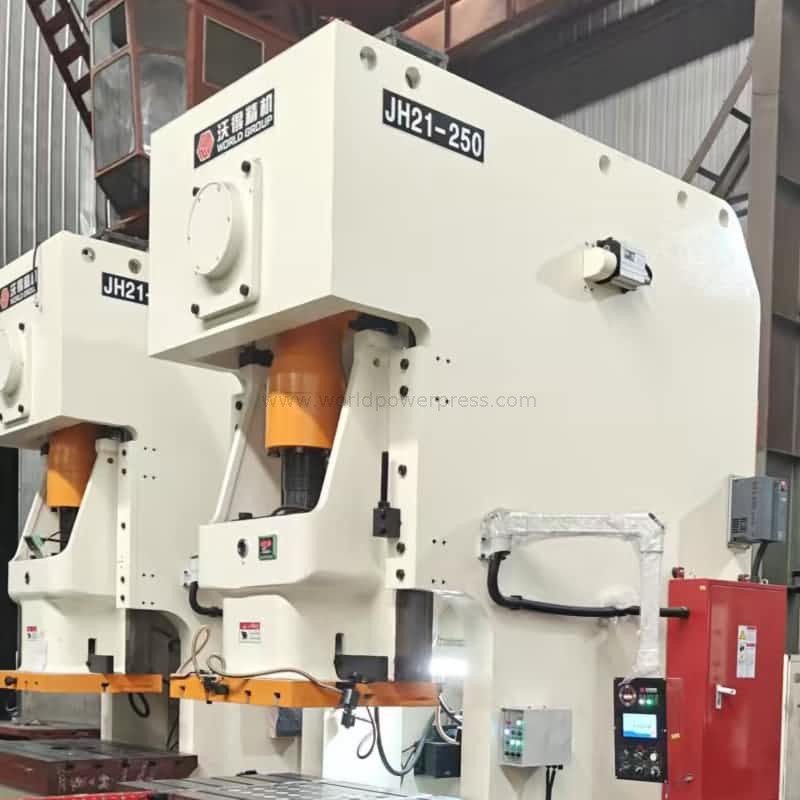
Safety guards protect operators from spinning hazards. You must safely unbolt and store them. Remove the bolts carefully. Place all fasteners into your magnetic tray. Store the heavy steel guards flat on the floor away from foot traffic. Next, describe locating the tensioning mechanism. You will usually find an adjustable motor base. Some machines utilize a spring-loaded idler pulley instead. Back off the adjustment bolts slowly. Introduce sufficient slack into the drivetrain. Never pry a belt off a pulley. Prying stretches the internal tensile cords. It also damages the sheave edge permanently.
Detail the complete removal of the old belts. Pull them carefully over the flanges once adequate slack exists. Now, mandate a thorough cleaning and inspection of the pulley grooves. Technicians call these grooves "sheaves". Wipe away dirt, old rubber dust, and stray oil. Look closely for trapped debris or sharp metal burrs. Burrs will shred new rubber instantly. Feel the sidewalls for "dishing". Dishing refers to concave wear inside the groove. A dished sheave will destroy a new belt rapidly. You must replace severely dished pulleys before installing new drive belts.
Outline the correct seating method for the new components. Ensure you install V-belts properly. The narrow "V" shape must face inward toward the center of the groove. Press them gently into place by hand. Emphasize replacing belts in complete matched sets on multi-belt drives. Never mix an old belt beside a new one. Older belts stretch over time. A new belt features a tighter circumference. It will inadvertently bear the entire motor load. This causes the new belt to snap rapidly. Matched sets ensure uniform load distribution across the drive system.
Describe adjusting the motor bracket or idler properly. Turn the adjustment bolts to push the motor back. This removes the slack from the newly installed belts. Instruct the use of a reliable straightedge across the pulley faces. The straightedge verifies parallel alignment between the drive motor and the flywheel. A laser alignment tool provides even better accuracy. Perfect alignment keeps the belts tracking straight. It prevents edge fraying and reduces lateral stress on the bearings. Lock all mounting bolts securely once aligned.
Incorrect tension introduces massive risks to the machine. Address the specific risks of improper adjustment. Explain how over-tensioning damages equipment. Excessive force dramatically shortens belt life. It also places catastrophic radial loads directly on the motor shafts and flywheel bearings. These bearings overheat and fail prematurely.
Under-tensioning presents an equally destructive scenario. Explain how loose belts operate. They slip against the metal sheaves. This friction generates excessive heat and causes rubber glazing. Loose belts fail to transmit the motor's full torque accurately. The straight side press drivetrain loses momentum during the stamping stroke.
Standardize the measurement process across your facility. Instruct technicians to use a proper belt tension gauge. Always follow the belt manufacturer's specific deflection force specifications. Measure the span length and apply the correct pressure. Do not rely on the outdated "thumb depression" method. Human thumbs cannot measure specific foot-pounds of deflection force accurately. Subjective guessing ruins expensive drivetrain components.
Tension Condition | Impact on Belts | Impact on Machine Drivetrain |
|---|---|---|
Over-Tensioned | Internal cord snapping; rapid wear | Catastrophic bearing failure; motor shaft bending |
Under-Tensioned | Glazing; thermal degradation; slipping | Loss of torque; inconsistent ram speed; stalling |
Correctly Tensioned | Maximum operational lifespan | Optimal power transmission; cool bearing operation |
Explain the absolute necessity of manually rotating the drivetrain. Mechanics often call this barring the press over. Insert a barring rod or use the manual flywheel turning mechanism. Rotate the entire system through one complete stroke cycle. This manual action ensures the belts seat fully deep into the grooves. Watch them track around the pulleys. They must move smoothly without binding or climbing the sheave walls. Identify any tight spots before applying electrical power.
Detail the protocol for restoring power safely. First, replace all safety guards securely. Account for every bolt. Remove your personal LOTO padlocks and tags from the main breaker. Run the press machine completely unloaded. Keep it at a very low speed initially. Observe the tracking visually from a safe distance. Listen carefully for abnormal noise or squealing. Note that new belts stretch during their initial break-in period. A mandatory re-check of tension is strictly required after the first 24 to 48 hours of continuous production operation.
Recommend documenting the entire procedure thoroughly. Record the exact date, the specific belt part number, and the applied tension spec. Enter this data into the facility's CMMS (Computerized Maintenance Management System). Good data drives great maintenance. Discuss mitigating environmental factors proactively. Heavy dust and flying stamping lubricants accelerate wear significantly. Clean the area around the motor drive regularly. Install secondary shields if coolant splashes near the pulley system. These small steps extend component lifespan drastically.
Routine, precise belt replacement represents a low-cost, high-ROI maintenance activity. It directly safeguards the expensive drivetrain components of a straight side press. Following standardized procedures prevents unexpected catastrophic breakdowns. It ensures your machine delivers consistent tonnage across millions of stamping cycles.
Action-oriented next steps:
Source OEM-specified belts to guarantee proper fitment and tensile strength.
Invest immediately in digital tensioning tools and laser alignment kits.
Update your CMMS to trigger automated tension checks every 30 days.
Contact certified service technicians if you discover severe pulley wear or persistent alignment issues during the replacement process.
A: No. Always replace the entire set. A new belt will have a different circumference and tension profile than older, stretched belts. Mixing them causes the new belt to bear the entire load and fail prematurely.
A: For high-volume or heavy-duty operations, visual inspections and tension checks should occur monthly. Lighter operations can default to quarterly checks.
A: It is highly discouraged. Internal tensile cords degrade over time and under heat/load, even if the exterior rubber appears intact. Reusing belts compromises reliability.
A: Glazed belts have lost their friction coefficient. They will slip continuously under peak load, drastically reducing the effective tonnage and stroke consistency of the press, leading to poor part quality.


 0086 21 62828320
 0086 13817120700