
Views: 0 Author: Site Editor Publish Time: 2026-01-12 Origin: Site
When it comes to metal fabrication, press brake bending is one of the most critical processes. It involves using a hydraulic press brake to shape and bend metal sheets into precise angles. While this process is essential in industries like manufacturing, aerospace, automotive, and construction, even small mistakes can lead to significant issues such as waste, misalignment, and inefficiency.
At World Power Press, we understand how important it is to get the press brake bending process right. By ensuring that your press brake is used correctly and avoiding common mistakes, you can achieve higher-quality bends, reduce material waste, and improve your overall production efficiency. In this article, we’ll go over some of the most common mistakes made during press brake bending and offer tips on how to avoid them, ensuring that your operation runs smoothly and efficiently.
One of the most common mistakes in press brake bending is using the wrong tooling for the job. Tool selection is vital because it directly influences the accuracy of the bends, the condition of the material, and the longevity of your press brake tools. Choosing the wrong tools can result in inefficient bending, material wastage, tool damage, and even safety risks.
How to Avoid This Mistake:
Match Tools to Material: One of the first steps in ensuring proper tool selection is matching the tool to the material being bent. Different materials require different types of tooling to handle the properties of the material effectively. For instance, softer metals such as aluminum require tools that can smoothly bend without excessive force. On the other hand, harder metals like stainless steel or titanium require tools that can withstand higher levels of stress and pressure. Using a tool suited for the specific material will help avoid issues such as cracks, uneven bends, and excessive wear on the tools.
Use Proper Die Sizes: The die size plays a crucial role in determining the accuracy of the bend. Using the wrong die size can result in inaccurate bends or cause the material to bend unevenly. A die that is too large or too small for the material thickness can cause the material to bend at the wrong angle or lead to deformities. Always refer to the manufacturer’s guidelines or recommended die sizes for your material’s thickness and the desired bend angle to ensure precision.
Check Tool Condition: Worn or damaged tools can significantly affect the quality of the bend. If tools, such as the punch or the die, are not properly maintained, they can lead to poor-quality bends, tool damage, or even damage to the material being bent. Regular maintenance and inspection of your press brake tools are essential to ensure consistent performance and minimize errors. Tools should be cleaned, lubricated, and inspected for wear regularly. If a tool is damaged, it should be replaced to prevent poor performance and avoid further damage to the press brake system.
Calculating the correct bending angle is one of the most critical aspects of press brake bending. An incorrect bend angle can lead to misaligned or unusable parts, costing time, money, and material. It’s essential to correctly calculate the desired bending angle, taking into account factors like bend allowance, material springback, and desired final dimensions.
How to Avoid This Mistake:
Use the Correct Bend Allowance: The bend allowance compensates for the material’s elongation when the metal is bent. Without accounting for this, your parts might end up shorter or longer than intended. The bend allowance is calculated based on the material thickness, type, and the angle of the bend. Always refer to the manufacturer's guidelines and use accurate formulas to calculate the bend allowance for your specific material.
Account for Material Springback: Springback is a natural phenomenon that occurs when bending metal. When the metal is bent, it will try to return to its original shape after the press brake is removed. This can affect the final angle of the bend, causing it to be slightly less than desired. To compensate for springback, you may need to slightly overbend the material. The degree of overbending will vary depending on the material type and thickness, so understanding how much springback to account for is critical for achieving accurate bends.
Double-Check Angles: To ensure that the bending angle is correct, use tools like a digital protractor or an angle gauge to measure the angle during the bending process. This is particularly important for complex or intricate parts that require precise angles. Double-checking the angle before proceeding can save time and prevent errors that would otherwise require rework or lead to wasted material.
A press brake is a sophisticated piece of equipment that requires precise setup and calibration to perform optimally. Failing to properly set up and calibrate the machine can lead to uneven bends, inaccurate dimensions, and unnecessary downtime.
How to Avoid This Mistake:
Regular Calibration: Calibrate your press brake regularly to ensure that all movements are accurate and precise. This includes checking the back gauge, bend angle, and material positioning systems.
Adjust for Material Thickness: Make sure that the machine settings, including pressure and stroke length, are adjusted to accommodate the thickness and type of material being bent.
Use the Right Pressure Settings: Too much pressure can cause the material to deform incorrectly, while too little pressure can lead to incomplete bends. Refer to the machine's specifications for the correct pressure settings for each material.
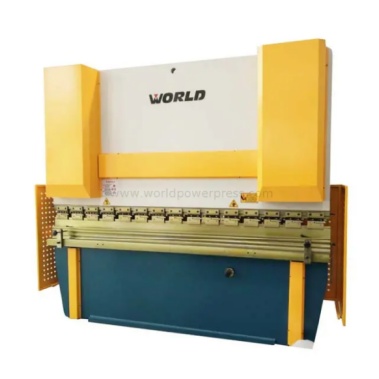
The back gauge is used to position the material accurately on the press brake, ensuring that each bend is made at the correct location. Improper back gauge positioning can lead to inconsistent bend locations, which can cause issues with part alignment and dimensional accuracy.
How to Avoid This Mistake:
Check the Back Gauge Alignment: Always check that the back gauge is properly aligned with the die and that it is set to the correct position for each bend. A misaligned back gauge can result in bends being made in the wrong location.
Use Automatic Positioning: If your press brake has automatic back gauge positioning, make sure to set the correct measurements for each bend before starting the operation. This will minimize human error and ensure more consistent results.
Another common mistake in press brake bending is over-bending or under-bending the material. This can result in parts that are either too tight or too loose, making them unusable or causing them to fail during the final application.
How to Avoid This Mistake:
Monitor the Material’s Springback: As mentioned earlier, metal materials often experience springback after bending. Take this into account when determining the initial bending angle.
Test the First Bend: Always test the first bend on a scrap piece of material to ensure that the angle is correct. Adjust the press brake settings as needed before proceeding with the full batch.
Use Correct Tooling for Tight Bends: For tighter bends, use a smaller radius die to avoid over-bending. This ensures that the bend angle matches the required specifications without deforming the material.
Improperly securing the material on the press brake can lead to slippage during the bending process, resulting in inaccurate or uneven bends. This mistake can also cause damage to both the material and the press brake.
How to Avoid This Mistake:
Use Clamps and Holders: Ensure that the material is properly clamped and held in place before starting the bending process. This will help prevent movement during the operation.
Check for Material Slippage: During the bending process, keep an eye on the material to ensure it remains in place. Adjust clamps and supports if necessary.
Proper press brake bending requires precision, the right tools, and careful setup. By avoiding common mistakes such as incorrect tool selection, improper angle calculation, and inaccurate back gauge positioning, you can improve the efficiency and accuracy of your bending process. Ensuring that your press brake is properly calibrated and maintained, along with taking care to secure materials and use the correct pressure, will significantly enhance your production quality and reduce downtime.
At www.worldpowerpress.com, we specialize in providing high-performance hydraulic press brakes that are designed for precision and durability. Whether you’re a small shop or a large manufacturing facility, our press brakes deliver exceptional results. If you are interested in learning more about how our hydraulic press brakes can enhance your operations, we invite you to contact us for expert advice and product recommendations tailored to your specific needs.
A press brake is used to bend and shape metal sheets into precise angles. It’s essential for creating parts for various industries, including automotive, aerospace, and construction.
To avoid bending errors, make sure to calibrate the machine correctly, select the right tools, and properly set the angle and pressure for the material. Testing the first piece before proceeding with production can also help avoid errors.
Press brakes are primarily designed for bending metal. However, with the right tooling, they can also be used for other materials, such as plastic or composite materials, depending on their thickness and strength.
It’s important to perform regular maintenance on your press brake to ensure precision. Calibration should be done frequently, and all moving parts should be inspected for wear and tear to prevent inaccuracies during bending.


 0086 21 62828320
 0086 13817120700