
Views: 0 Author: Site Editor Publish Time: 2026-03-03 Origin: Site
In today’s competitive manufacturing landscape, choosing the right machinery is crucial for ensuring smooth and efficient production. Among the various tools available, the stamping press plays a critical role in shaping metal parts with precision and speed. Whether you are manufacturing automotive components, electrical enclosures, or consumer goods, understanding the function of a stamping press and its benefits to your operation is essential. This article will explore how stamping presses work, their common applications, and why they are vital in modern manufacturing.
A stamping press is a machine used in the metalworking industry to shape or cut metal sheets or coils into specific parts. It works by applying high pressure to metal through a die set, which can be designed for a variety of tasks, from simple cutting to complex forming.
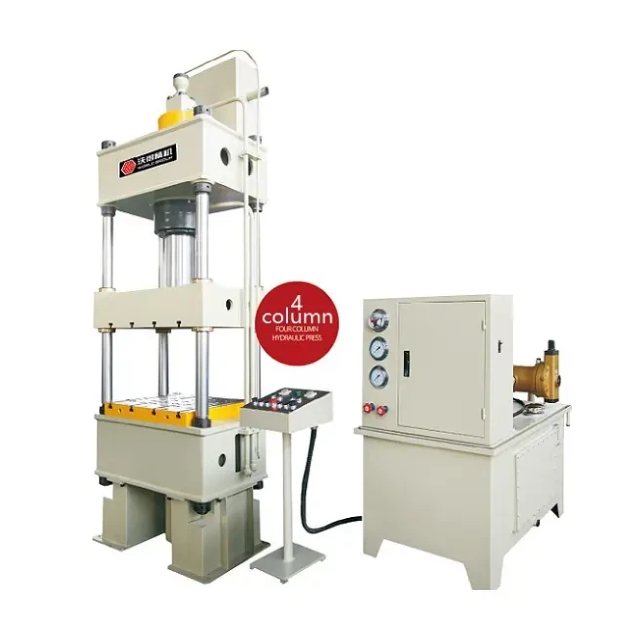
The machine consists of several components, each playing a crucial role in ensuring smooth operation. The ram/slide is the moving part of the press, applying force onto the metal to shape it according to the die’s specifications. The bolster plate is a supportive surface where the die set is positioned, providing stability during operation. The die set is a set of custom tools designed to shape or cut the metal, and the feeder system ensures the metal is consistently fed into the press for efficient and uninterrupted operation.
The pressing process typically begins with a metal sheet or coil being fed into the machine, where it is aligned under the die. The ram then applies force onto the metal, shaping or cutting it as per the design of the die. The result is a highly accurate metal component, ready for further processing or assembly.
A stamping press is a highly effective machine for performing various metalworking operations such as blanking, punching, forming, embossing, and coining. The process involves several stages to ensure precision and consistency.
In the first stage, the metal coil is fed into the press. The coil undergoes a straightening process to ensure that the material is flat and uniform, ensuring the final product meets quality standards. After straightening, the material is precisely aligned under the die set. At this point, the press stroke occurs, with the ram applying force to the metal. The force causes the metal to conform to the shape of the die, which can be custom-made to create the desired part. Once the part is formed or cut, it is ejected from the press, ready for further use in the production line.
The pressing process can vary depending on the complexity of the part being produced. For example, progressive stamping involves the material being fed through multiple stages, with each stage performing a different operation, such as punching, blanking, or forming. This method is ideal for high-volume production runs that require complex parts. On the other hand, single-stage stamping uses a single press stroke to create simpler parts, making it a cost-effective solution for lower-volume production.
The versatility of a stamping press makes it an essential machine in various industries, from automotive manufacturing to electronics. Its ability to perform multiple operations efficiently makes it an indispensable tool in modern production lines.
In the automotive industry, stamping presses are used to create body panels, structural parts, brackets, and more. These presses ensure that automotive components are made with high precision and are able to withstand the demands of daily use. Similarly, the electronics industry relies on stamping presses to create electrical enclosures, brackets, and connectors, ensuring the safety and functionality of electronic devices. Furthermore, many consumer goods such as appliances, furniture, and packaging require metal components that are formed or cut using stamping presses. The machine’s speed and accuracy ensure that these parts meet high-quality standards and are produced at scale.
With stamping presses being able to handle a wide range of materials, including steel, aluminum, and copper, they offer flexibility in production and are a must-have for businesses involved in metalworking and mass production. Their ability to handle high-volume runs and produce parts with minimal variation in quality makes them ideal for industries where precision and speed are critical.
One of the primary reasons for choosing a stamping press in metalworking is its ability to deliver high-speed production with consistency. The table below highlights the key advantages of using a stamping press compared to manual or forming alternatives.
Comparison Table:
Feature | Stamping Press | Manual/Forming Alternatives |
Production Volume | High | Low–Medium |
Unit Consistency | Very High | Variable |
Speed | Very Fast | Slower |
Labor Dependency | Lower | Higher |
Tooling | Requires Dies | Less Tooling |
A stamping press excels in high-volume production, delivering consistent parts at fast speeds. It reduces labor dependency, allowing manufacturers to reduce the need for manual intervention while improving overall output. The accuracy of the machine ensures that the parts produced are uniform, reducing scrap and waste. Furthermore, while tooling costs for a stamping press may be high, these costs are offset by the volume of parts produced. For companies involved in high-volume manufacturing, the efficiency gains from using a stamping press make it a highly cost-effective solution.
When considering a stamping press for your production line, there are several factors to keep in mind to ensure that you are making the right investment for your business. These considerations will affect both the upfront cost and the long-term performance of the press.
Part Complexity & Production Volume: High-volume production runs of complex parts often require a stamping press with progressive dies and automated feeding systems. On the other hand, simpler parts or lower production volumes may benefit from a single-stage press.
Die Design & Changeover Time: The time it takes to change dies and set up the machine can impact overall production efficiency. Companies should consider the ease of die changeover when selecting a press.
Material Type & Thickness: The type of material being used will influence the press's tonnage requirements. Thicker and harder materials require more force, which will affect the type of press you need.
These considerations will help ensure that the stamping press you choose meets your specific production requirements and contributes to a streamlined and cost-effective manufacturing process.
At World Precise Machinery, we offer a variety of stamping presses designed to meet the diverse needs of modern manufacturing. Our products include:
· High-Speed Coil Feeding & Feeder System: These systems ensure smooth, consistent feeding of material into the press, reducing downtime and improving production efficiency.
· Four-Column Hydraulic Presses: Known for their precision and stability, these presses are perfect for producing parts that require high force and accurate results.
· Tie-Rod Double Crank Presses: These durable and high-performance presses are suitable for a range of applications, offering excellent force distribution and reliability.
Each of these products is designed to deliver superior performance and help you meet the demands of your industry.
In conclusion, a stamping press is an essential tool in modern manufacturing, offering speed, precision, and efficiency. By understanding how a stamping press works, its applications, and its advantages, you can make an informed decision about whether this machine is the right fit for your production needs. World Precise Machinery is committed to providing high-performance stamping presses that help businesses achieve their manufacturing goals while reducing costs and increasing productivity. For more information about our range of stamping presses, please feel free to contact us today.
Q1: What is the difference between a stamping press and a press brake?
A stamping press is designed for cutting, shaping, and forming metal, while a press brake is mainly used for bending metal into specific angles.
Q2: Can a stamping press be used for all types of metal?
Yes, stamping presses can be used for a wide range of metals, including steel, aluminum, and copper. However, different materials may require specific dies and tonnage adjustments.
Q3: What is progressive stamping?
Progressive stamping involves feeding material through multiple stages, each performing a different operation, making it ideal for high-volume production of complex parts.
Q4: How long does a stamping press last?
The lifespan of a stamping press depends on factors such as usage intensity, maintenance practices, and the quality of the machine. Properly maintained, a stamping press can last for many years.


 0086 21 62828320
 0086 13817120700